What is the Energy Cost Crisis?
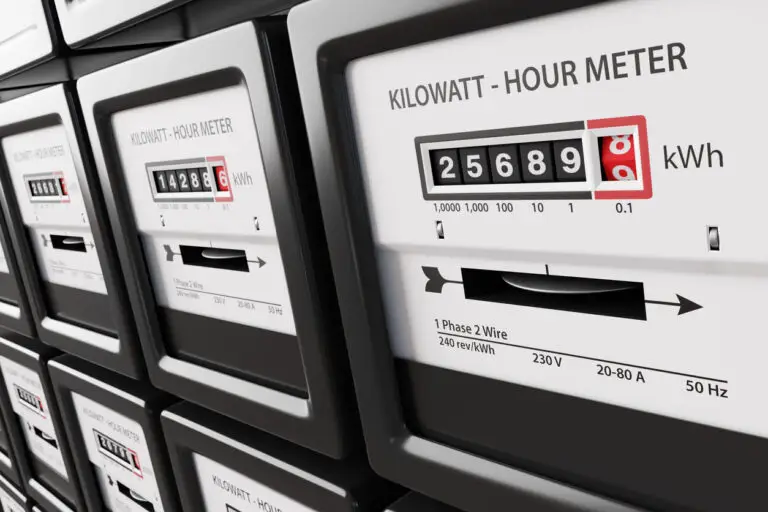
The ongoing conflict in the Middle East has created significant disruption in global energy markets. Sharp increases in oil and gas prices have already started to affect the UK economy. Around 20% of the world’s oil supply normally passes through the Strait of Hormuz and the disruption to this route has triggered volatility in energy markets pushing prices higher. Global oil prices have surged, shipping and supply chains face disruption and this is increasing inflation risks and putting pressure on businesses across Europe. For small and medium-sized enterprises (SMEs), this could translate into higher energy bills, increased fuel costs, and tightening margins across many sectors.
Why Energy Costs Hit SMEs Hardest
Unlike large corporations, SMEs often operate with tighter margins and less ability to absorb sudden cost increases. Energy is a critical input for many businesses, whether it powers machinery, refrigeration, heating, lighting, or transportation. Rising wholesale gas prices are a key driver of electricity costs in the UK. Sustained market volatility could push energy prices even higher and lead to further increases in business operating costs.
The result is a challenging environment where SMEs must balance rising overheads with the need to remain competitive. Higher costs may also reduce consumer spending, as households face increased energy bills and a broader cost-of-living squeeze.
Practical Steps SMEs Can Take
While businesses cannot control global energy markets, there are several strategies that can help manage the impact:
- Review energy contracts and tariffs
Businesses should assess their current energy agreements and explore fixed-rate or longer-term contracts where available. Locking in pricing can provide greater certainty during volatile periods. - Improve energy efficiency
Simple changes such as upgrading lighting to LED, improving insulation, or optimising heating and cooling systems can significantly reduce consumption and ongoing costs. - Adjust operational schedules
Some businesses may benefit from shifting energy-intensive activities to off-peak hours or consolidating production schedules to reduce peak energy demand. - Strengthen cash flow planning
Rising input costs can strain working capital. Reviewing budgets, forecasting cash flow, and planning for higher operating expenses can help businesses remain resilient.
How Can Flexible Funding Support SMEs During This Period of Uncertainty?
Periods of economic volatility often create temporary funding gaps for SMEs. Higher energy bills, rising supplier costs, or delayed customer payments can put pressure on day-to-day operations even for otherwise healthy businesses.
Flexible funding can provide the breathing room needed to maintain operations, invest in efficiency improvements, or seize new opportunities while markets stabilise. Short-term finance solutions, such as unsecured business loans, can be used to cover increased operating costs, purchase more energy-efficient equipment, or smooth cash flow during periods of uncertainty.
For example, access to short-term funding can help businesses:
- Cover rising energy and fuel expenses
- Invest in equipment that reduces long-term energy consumption
- Maintain stock levels or payroll during periods of cost volatility
- Protect working capital while waiting for customer payments
Looking Ahead
Energy markets remain highly sensitive to geopolitical developments, and the duration of the conflict will play a significant role in determining how long prices remain elevated. In the meantime, SMEs that act early to control costs, plan cash flow carefully, and maintain access to flexible funding options will be better positioned to navigate the uncertainty.
For many businesses, resilience during periods like this comes down to preparation. By taking proactive steps now, SMEs can protect their operations, manage rising costs, and remain focused on long-term growth even in a volatile energy environment.