The business benefits of becoming more sustainable are significant. Having demonstrable green credentials is an increasingly vital tool in the battle to attract talent, customers and investment. Becoming a more sustainable business may seem like a daunting challenge, but even small steps can have a big impact for SMEs.
The move towards business becoming more focused on ESG (Environmental, Social, Governance) factors has been in train for several years. Catalysed by the United Nations’ Global Goals and COP initiatives, there is now a greater awareness of the role business can play in addressing significant environmental and societal challenges.
According to PwC’s ESG Trends in 2023, the market’s desire for more ESG commitment from business is growing. “Consumers, shareholders, investors, employees and broader stakeholder groups will keep raising the bar for ESG performance” the report says. “And customers are putting their money where their values lie. More than 60% of people are basing their purchasing behaviours on sustainability and ethical criteria, and this is growing by 10% each year.” The report concludes that businesses should expect to see a much greater focus placed on progress rather than intentions.
One key element of any ESG commitment is reducing the environmental impact of a business. So, what can smaller businesses do to improve their own sustainability efforts and story? We look at seven areas a smaller business can focus on to reduce their environmental impact.
1. Packaging
It’s estimated that UK households throw away a staggering 100 billion pieces of plastic packaging a year, averaging 66 items per household per week. In 2021, 2.5 million metric tons of plastic packaging waste were generated in the UK.
Transitioning to greener packaging alternatives is a crucial step for businesses aiming to reduce their environmental footprint and contribute to sustainability. According to a report from McKinsey, only 16 percent of all plastic waste is re-processed to make new plastics. In fact, it reports, most of the global plastics waste goes into incineration (25%) and landfills (40%), meaning that these materials are lost forever as a resource, despite the potential for reuse and recycling.
Public consciousness around single-use plastics has risen considerably and there a multitude of alternative packaging alternatives that you can consider for your business. From switching to recycled plastics, papers and cardboards, to investing in biodegradable, compostable or plant-based wrapping, you can make a big difference.
A useful summary of alternative to plastic packing types can be found on the British Business Bank website:
2. Travel and transportation
Remote working can reduce the need for daily commuting and decrease office energy consumption. But remote working isn’t possible for all businesses. Instead, employees can be encouraged to commute in an eco-friendlier way by offering incentives for employees who use public transportation or carpools. If possible, you might also consider having secure bike racks and changing facilities for those who bike, run or walk to work.
3. Office printing
While print may seem a comparatively minor consideration, research shows that print and document management can still have a significant impact on a typical organisation’s environmental footprint. Taking the UK government’s conversion factors for carbon emissions, just 100,000 sheets of A4 paper has a carbon footprint of 6,000kg, requires eight trees and 2,000kWh of energy.
Smaller businesses can reduce their impact by switching to recycled paper. A print policy can also be implemented which stipulates using double-sided printing, draft mode and only printing when absolutely necessary.
4. Water usage
Employees should be made aware of the need to conserve water in the business with guidance on shared facility usage (dishwashers, showers, taps etc).
On top of that businesses should investigate replacing existing taps within their premises with spray taps. These reduce the volume of water coming out of the tap without diminishing pressure quality. Replacing toilets with dual-flush units can also save thousands of litres of water a year, providing cost-saving opportunities, whilst also being more sustainable. Older plumbing fixtures can lose up to 20 gallons of water daily through dripping faucets, which is damaging not only to your organisation’s finances but also wasteful to the environment.
5. Educate your supply chain
You should also look to encourage your business support suppliers to provide eco-friendly options in their product range. Choose recycled or sustainable business supplies, from paper to workwear, and switch to environmentally friendly products and practices (such as recycling) in your office cleaning.
6. Staff behaviour
Encourage employees to bring their own reusable utensils, containers, and coffee cups for meals and drinks. This will cut-down on their need for single-use plastics and other disposable materials. Small changes can make a big difference. Continually reusing a water bottle in the office, for example, reduces the need for multiple daily glassware washing.
7. Energy efficiency
In some smaller businesses, significant annual energy savings can be made by investing in more energy-efficient machinery.
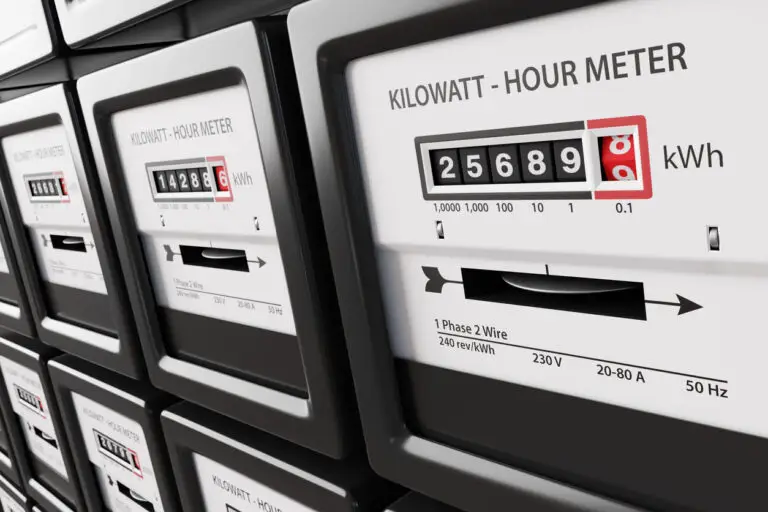
Other energy-savings can be made through ensuring lights and computers are switched off when not in use. Whilst encouraging your staff to remote work, where feasible, will reduce office operating energy, and therefore costs.
Implementing energy-saving practices and activities in an SME should be considered a two-stage process. The first stage is to measure and understand how your business currently uses energy. The second stage is to implement a programme that changes your operations to improve your efficiency.
Fostering greener habits requires continuous effort and a collective commitment. By promoting these habits within your SME and encouraging staff participation, you can contribute to a more sustainable workplace and make a positive impact on the environment. Whilst many of the initiatives outlined above require no capital investment, more significant shifts in operations (such as rolling out new machinery) may require a financial outlay.
Capify are a specialist SME alternative finance provider. Since launching in 2008, it has helped thousands of smaller businesses to invest in market and industry opportunities through fast, flexible funding. Check to see if you’re eligible for one of our loans with our online eligibility checker. Or, if you’d prefer to talk to a member of our team, we’d be happy to guide you through the process. Give us a call today on 0800 151 0980.